I spent a weekend last month submitting a side project to about 30 of these directories, and honestly, most of the “SEO backlink strategy” advice out there overstates what you’ll get from this. That said — it’s still worth doing, just not for the reasons people usually claim.
The real value isn’t the backlink itself (most of these are nofollow anyway, and Google’s gotten pretty good at ignoring directory spam as a ranking signal). It’s that a handful of these sites put your product in front of people who are actually shopping for something like it. AlternativeTo traffic converts differently than blog traffic, because someone typing “alternative to Notion” into Google has already decided they want to switch to something. That’s a very different intent than someone reading a “best productivity tools” listicle.
So here’s what I’d actually recommend, based on what worked, what was a waste of a submission form, and a few things I got wrong the first time around.
Skip the “submit to 100 directories” advice
You’ll see posts telling you to blast your product across a hundred sites in a weekend. Don’t. Half of those directories are basically dead — no traffic, no active moderation, some of them not even indexed by Google anymore. I checked a handful with a traffic estimator before bothering, and a good chunk of the “top 50” lists floating around include sites getting a few hundred visits a month, total.
I’d rather you spend two focused hours on 20 directories that matter than four hours on 60 that don’t move anything. Quality-over-quantity is a cliché at this point, but it happens to be true here specifically because directory approval takes real time — filling out a form, waiting on review, sometimes emailing back and forth about categorization. That time adds up fast if you’re not selective.
The ones worth your time


| # | Directory | What it’s for | Free? |
|---|---|---|---|
| 1 | AlternativeTo | Software comparisons | Yes |
| 2 | SaaSHub | SaaS discovery | Yes |
| 3 | Toolify | AI tools | Yes |
| 4 | Future Tools | AI directory | Yes |
| 5 | There’s An AI For That | AI discovery | Yes |
| 6 | Futurepedia | AI tools | Limited free |
| 7 | AIStage | AI software | Limited free |
| 8 | SourceForge | General software | Yes |
| 9 | Product Hunt | Launch day traffic | Yes |
| 10 | SideProjectors | Indie projects | Yes |
| 11 | PeerPush | Startup launches | Yes |
| 12 | DEV Community | Developers | Yes |
| 13 | Hashnode | Developer blogging | Yes |
| 14 | Indie Hackers | Founder community | Yes |
| 15 | GitHub Marketplace | Dev tools | Yes |
| 16 | Capterra | Business software | Free profile, limited |
| 17 | G2 | Reviews | Free profile |
| 18 | TrustRadius | B2B reviews | Free profile |
| 19 | OpenAlternative | Open-source tools | Yes |
| 20 | OpenTools | AI tools | Yes |
| 21 | Startup Buffer | Startup listings | Yes |
| 22 | BetaList | Pre-launch | Free queue |
| 23 | Launching Next | New products | Yes |
| 24 | AppRater | Software listings | Yes |
| 25 | AI Listingo | AI & SaaS directory | Yes |
AlternativeTo — this one actually matters
![11 Best WordPress Alternatives & Competitors [+Free Platforms]](https://www.tidio.com/wp-content/uploads/wordpress-alternatives-1200x1198.png)
If your product goes up against something people already use — Notion, Airtable, Slack, whatever — get on here first. It’s not a growth hack, it’s just where the comparison-shopping crowd already lives. I’d rank this above almost everything else on the list, and it’s the one I’d redo if I only had time for one submission.
A tip that isn’t obvious until you’ve done it: search for the specific tool you’re positioning against before you submit, and add your product directly to that tool’s alternatives page rather than just creating a generic listing. It’s an extra five minutes and it puts you exactly where the comparison-shoppers are looking.
SaaSHub does something similar but with less name recognition. Worth doing, just don’t expect the same volume — I got maybe a tenth of the traffic from SaaSHub that I did from AlternativeTo over the same three months.
The AI directory pileup
There’s an entire cottage industry of AI tool directories now — Toolify, Future Tools, There’s An AI For That, Futurepedia, AIStage — and honestly they blur together after the third one. Different layouts, same idea: a big searchable grid of tools, sorted by category and sometimes by “trending” or “new.”
If your product touches AI in any way, submit to all of them; it costs nothing but time and most approve within a day or two. Futurepedia and AIStage both push you toward a paid tier for placement above the fold, which I skipped — the free listing still gets indexed and shows up in category browsing, it just won’t be the first thing someone sees.
SourceForge is the outlier in this group — old-school, been around since the early 2000s, and still pulling real traffic. Worth a listing if any part of your stack is open-source, even a small companion library or CLI tool.
Product Hunt: the listing is free, the work isn’t
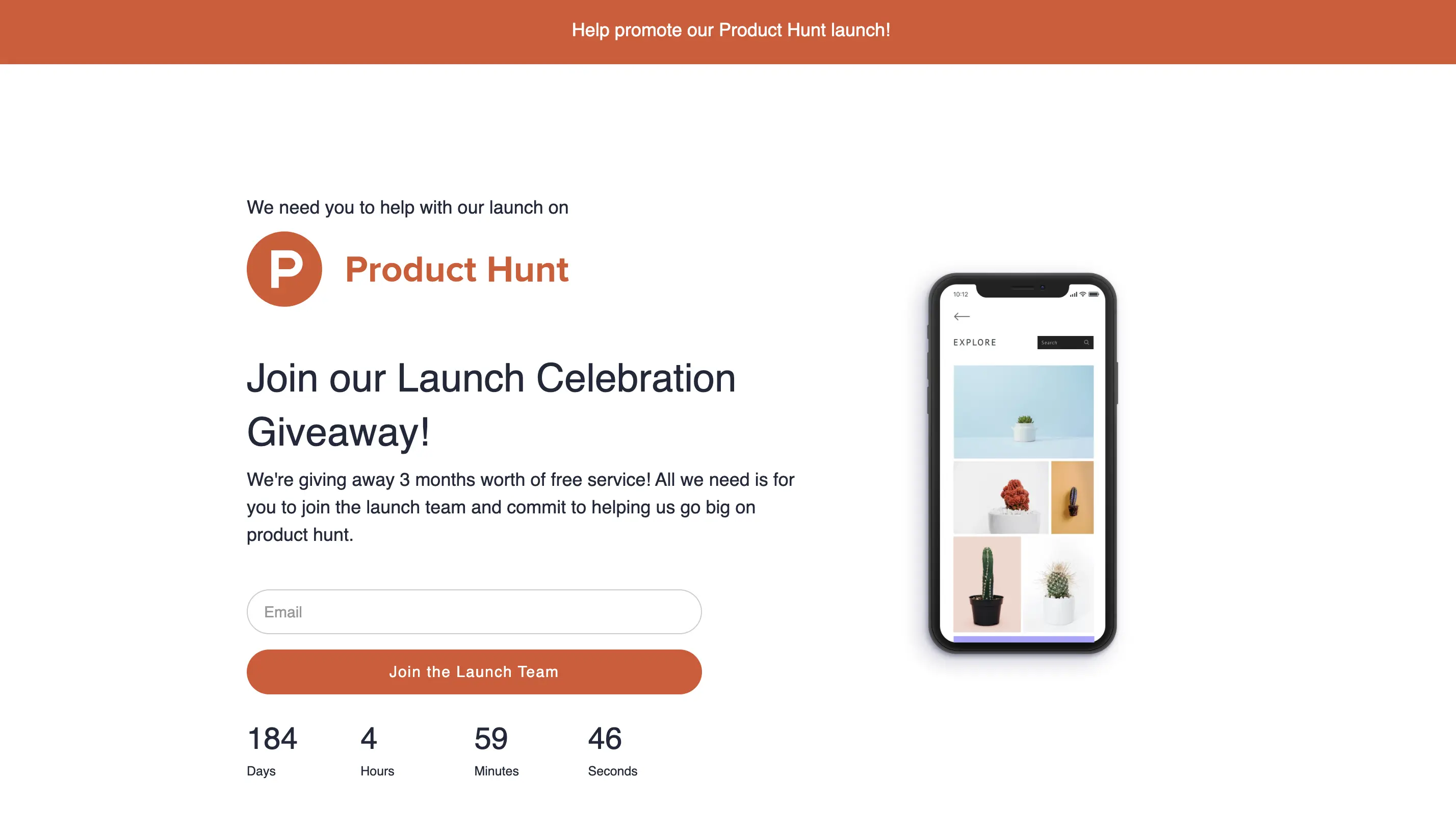

I almost left this off the “directory” framing entirely, because “free directory” undersells what it actually takes to get anything out of it. Submitting is trivial — a few form fields and a tagline. Getting real traction means lining up people to upvote in the first few hours (the algorithm weights early momentum heavily), replying to literally every comment on launch day, and picking a Tuesday or Wednesday rather than a Friday, when engagement tends to drop off. It’s more of a one-day marketing push than a set-and-forget submission, and treating it otherwise is the most common mistake I see.
The builder crowd
SideProjectors, PeerPush, DEV Community, Hashnode, Indie Hackers, and GitHub Marketplace — these won’t move your traffic numbers much on their own, but they put you in front of the kind of people who actually write about tools they like, recommend them in forum threads, and sometimes build integrations on top of them. That’s worth more long-term than the backlink itself.
Indie Hackers in particular rewards an actual post about your build process over a bare listing — a “how I built X” thread tends to outperform a plain directory entry by a wide margin. GitHub Marketplace only applies if you’re shipping something that plugs into GitHub’s workflow (an Action, an App), so skip it if that’s not you.
G2, Capterra, TrustRadius — claim these even if you do nothing else with them

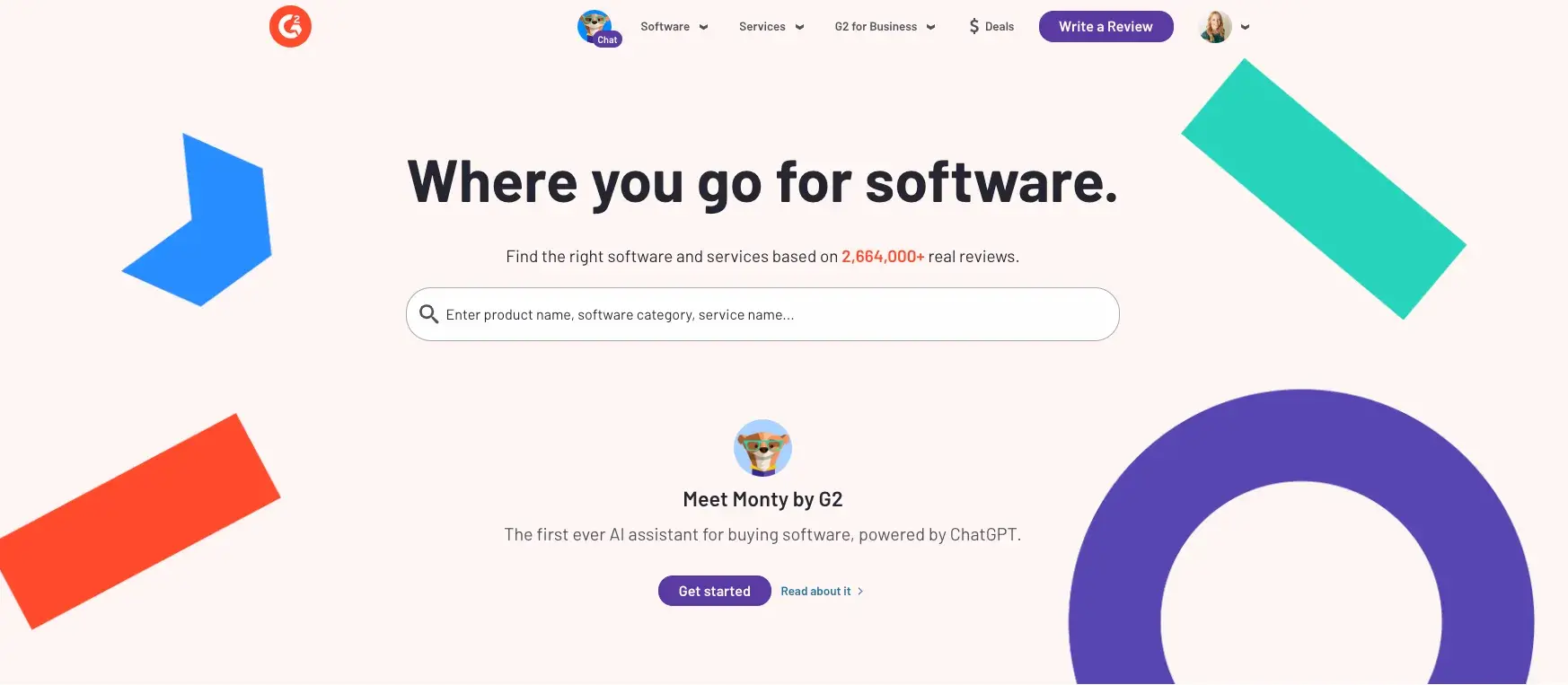
Buyers check these before they check your website, sometimes literally before your homepage. A free profile takes fifteen minutes. Getting real reviews on it takes longer — you’ll need to ask early customers directly, since almost nobody leaves one unprompted — but even a bare-bones listing beats someone finding a blank space where your competitor has a page full of five-star reviews.
Capterra’s free tier is the most limited of the three; it nudges you toward a paid “Featured” placement pretty aggressively during setup. G2 and TrustRadius are more generous about what you can do for free, including basic comparison pages against competitors.
Everything else
OpenAlternative, OpenTools, Startup Buffer, BetaList, Launching Next, AppRater, and AI Listingo — I’d treat these as a Sunday-afternoon batch job rather than anything to obsess over individually. None of them will move your needle on their own, but stacking a bunch of small, relevant listings does add up over a few months, and a couple of them (BetaList especially) are genuinely useful if you time a pre-launch queue submission right rather than submitting after you’ve already shipped.
Before you open a single submission form
Get this stuff written once so you’re not rewriting it 25 times:
Product name, URL, a description that’s actually 60–100 words (not 40, not 200 — most forms cap it and cut you off mid-sentence if you go over), a square logo at 512×512, a couple of clean screenshots without browser chrome cluttering the edges, pricing, category tags, and your social links. Having this ready cuts submission time from about twenty minutes a site down to three or four.
One thing I learned the hard way: write two versions of your description, a short one-liner and a longer paragraph. Some forms want a tagline field and a separate description field, and reusing the same sentence in both looks lazy to anyone reviewing the submission — a few of these directories are still manually approved by an actual person.
A rough submission order, if you’re doing this in one sitting
I’d go category-relevant first, high-traffic second, everything else last:
Start with AlternativeTo and SaaSHub if you have a direct competitor people already search for. Move to the AI cluster if that applies to you. Do Product Hunt on its own day — don’t lump it in with a batch session, since it needs actual attention afterward. Then knock out the developer community sites and the review platforms. Save the long tail for whenever you’ve got twenty spare minutes; there’s no urgency to those.
Free vs. paid, honestly
| Free | Paid | |
|---|---|---|
| Basic listing | Yes | Yes |
| Backlink | Usually | Usually |
| Faster approval | Rarely | Sometimes |
| Featured spot | No | Yes |
| Visibility | Okay | Better |
Paid tiers mostly buy you a featured badge and placement above the fold, not SEO magic — the backlink itself is often the same whether you pay or not. For an early-stage product, I wouldn’t pay for anything on this list yet. Revisit it once you’ve got traction and can justify the spend against actual conversion data instead of a gut feeling.
What I’d actually tell a friend doing this
Don’t submit to more than you can write a real description for — copy-pasted listings get flagged or quietly ignored by editors on the sites that still have human review. Pick accurate categories even when it’s tempting to stretch into a more popular one just for visibility; miscategorized products tend to get buried or rejected outright. Keep a simple spreadsheet of what you’ve submitted and when, because three months from now you won’t remember which sites you already hit. And when your pricing or positioning changes, go back and update the listings — almost nobody does this, and stale listings are one of the more obvious “this founder abandoned their marketing” signals a prospective customer can spot.
If you’d rather not do any of this yourself
That’s basically the whole reason AI Listingo’s services exist — someone does the research, fills out the forms, tracks what went where, and sends you proof of submission so you’re not chasing down 25 tabs yourself. Worth a look if this is eating into time you’d rather spend building. Pricing’s here if you want the specifics, and there’s more on the blog if you want to keep reading around this topic — including the longer top 100 AI directories list if 25 isn’t enough for you.
A few things people ask
Does this actually help SEO? A little. It’s not nothing, but it’s not a strategy on its own — pair it with real content or it won’t do much on its own.
How many should I submit to? Somewhere around 20–30 that are genuinely relevant to what you built. More than that and you’re just filling out forms for sites nobody visits.
How long does approval take? All over the map — some directories auto-approve instantly, some take a couple of weeks, and a couple I never heard back from at all despite resubmitting.
Is Product Hunt really free? Yes, the listing itself costs nothing. Getting noticed once it’s live is the part that actually takes work.
Should I pay for any of the premium tiers? Not at first. Get the free listings live everywhere relevant, see what actually sends you traffic over a month or two, then decide if paying for featured placement on your top two or three performers is worth it.